How to Serve Non-Alcoholic Wine: Tips for the Perfect Experience
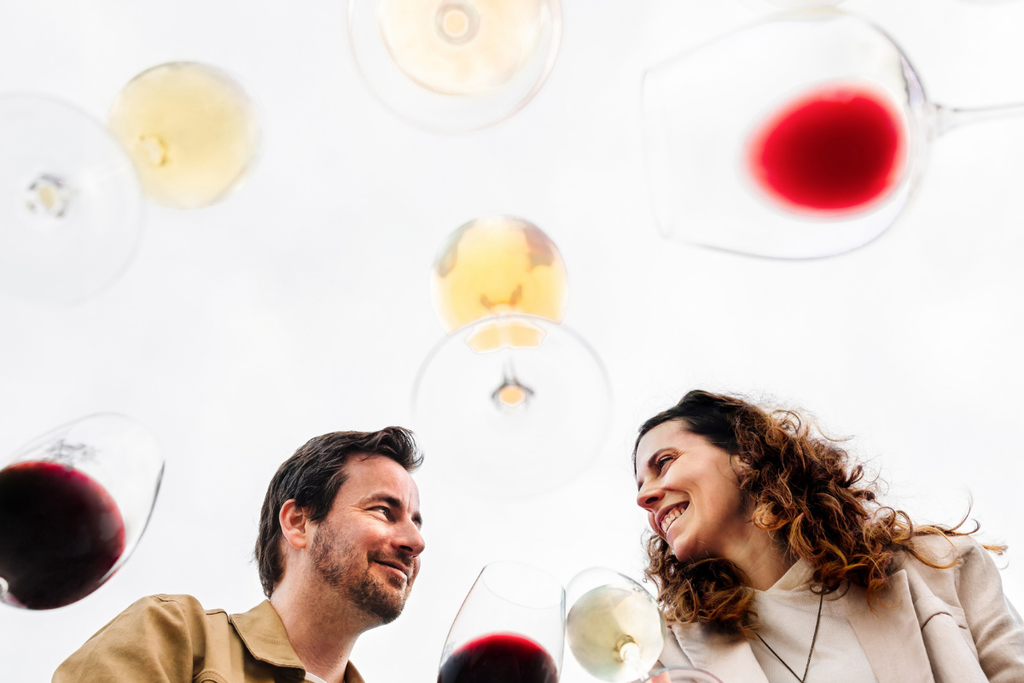
- The glass you choose matters a lot, because its shape determines how many aromas you can perceive. It also defines which parts of the tongue the wine hits – all of this influenes the tasting experience.
- The serving temperature is especially important for non-alc wines. It helps highlight their freshness, balance and delicate character, while keeping the wine crisp and refreshing.
- Non-alc wines benefit from some aerator befor serving. Open the screw cap at least 15-20 minutes before pouring. Reds love it if you decant them up to an hour and Sparkling wines benefit from being opened 5-10 minutes before serving.
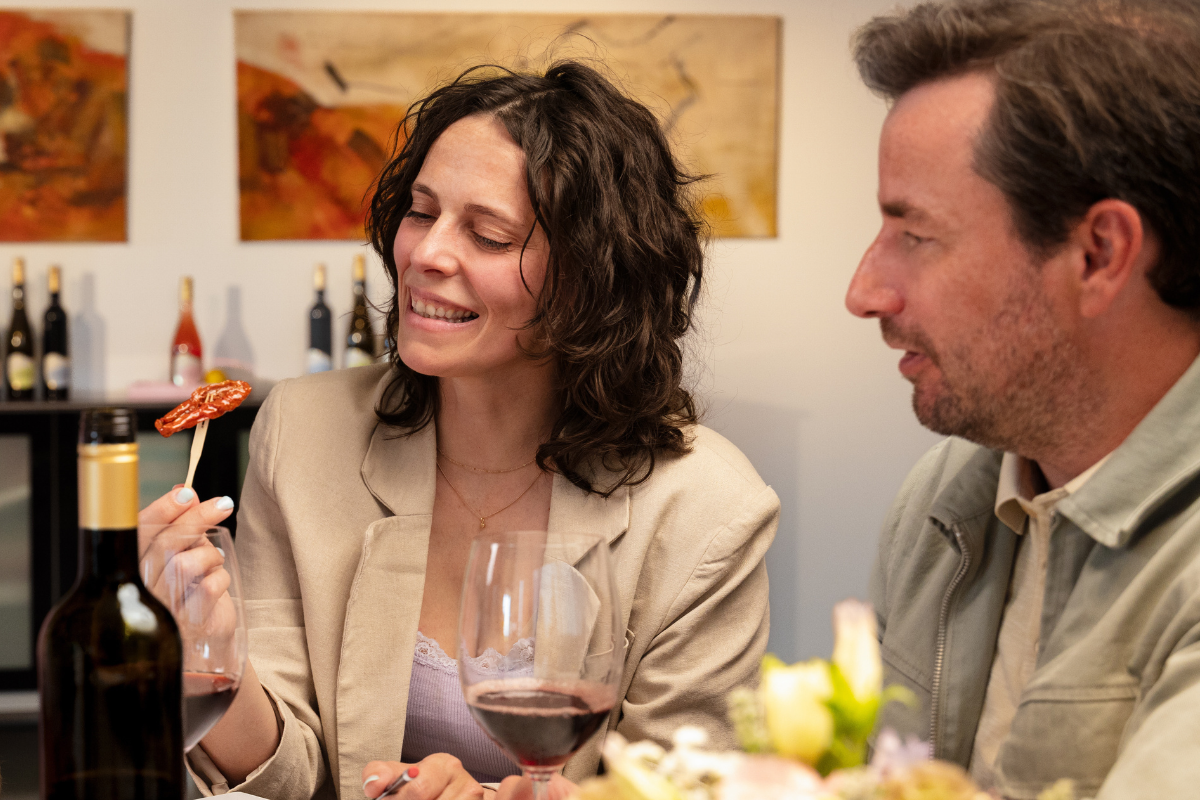
- Non-alc wine is the perfect match for snachs and small bites. It´s light and delicate character compliments food without overpowering it. Enjoy non-alc wine and food push the perseption of aromas and increase the mouth feeling.
Welcome to our low-effort, high flavor One-ingredient Snack and ultimate essential Glass Guide:
Grüner Veltliner
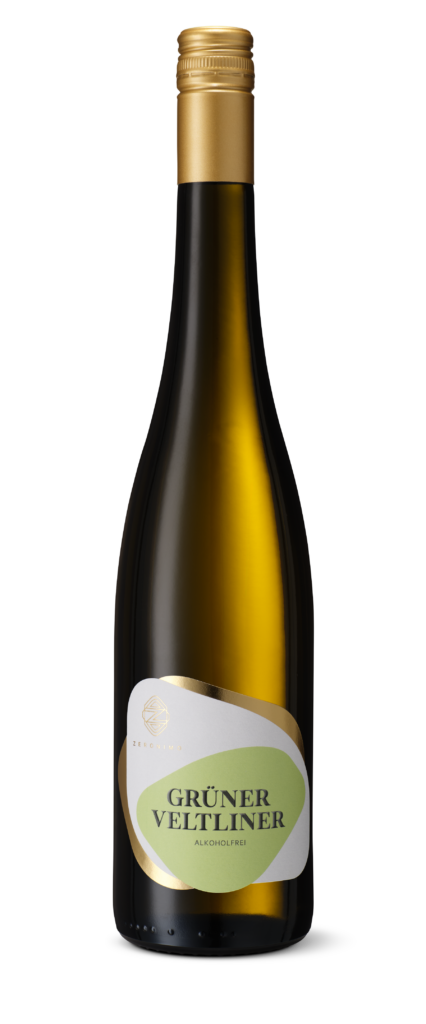
Glass Guide:
Riesling Glass: more vibrant, more fruit-forward, lighter on the palate
Burgundy Glass: softer, more harmonious, medium body, creamier texture, more mineral
Snack Guide:
Primary fruit focused: pear, honeydew melon, watermelon
Complex/mineral: gouda cubes, wasabi nuts, grilled asparagus, chilli shrimps, cheese sticks
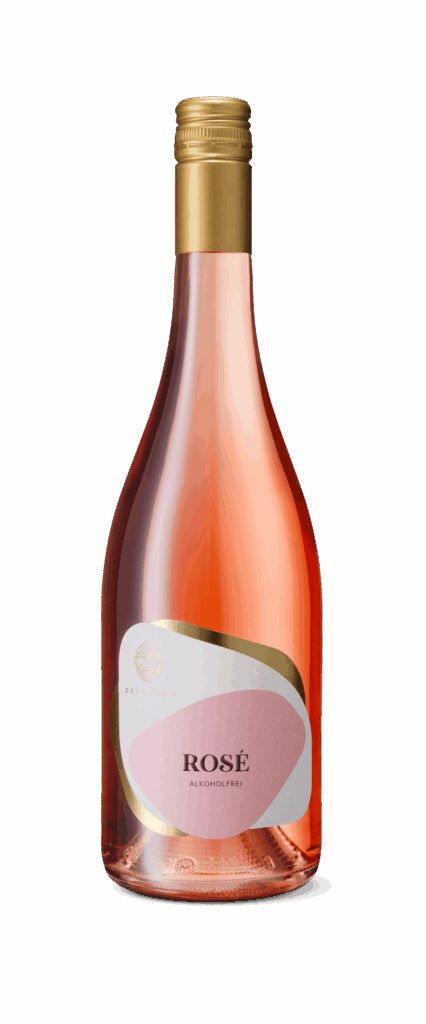
Sparkling Select
Glass Guide:
Riesling Glass: more pronounced minerality, more structured, more tightly knit, drier, more pronounced perlage (bubbles)
Burgundy Glass: fruitier, more aromatic, more subtle perlage, longer finish
Snack Guide:
Primary fruit focused: peach, pineapple
Complex/mineral: salted pistachio nuts, popcorn, classic potato chips, smoked salmon slices
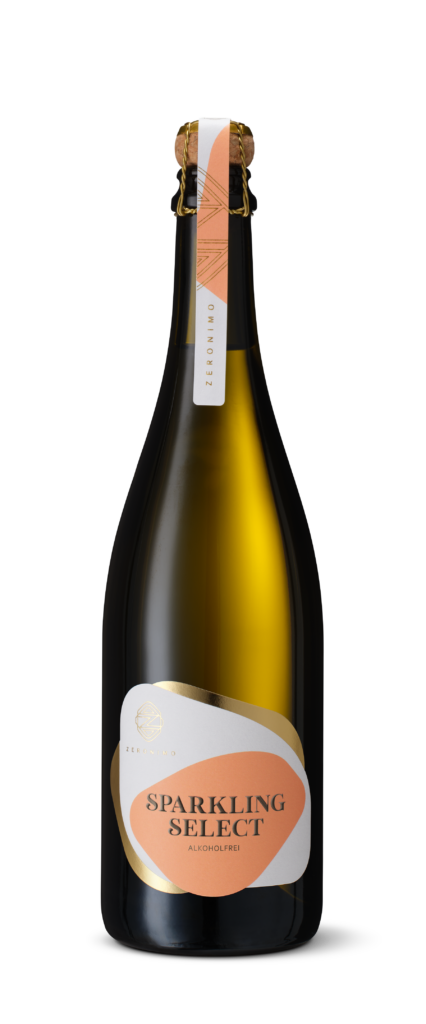
Rosè
Glass Guide:
Burgundy Glass: creamier texture, brioche/nutty notes, fruit notes emphasizing redcurrant with citrus on the finish
Bordeaux Glass: more vibrant acidity, more lively, fruitier with an earthy touch
Riesling Glass: fruitier, more finely structured, more mineral on the finish
Snack Guide:
Primary fruit focused: strawberry
Complex/mineral: mozarella, sweet onion grissini, green olives, almond, roast beef, salted pistachio nuts
Let’s talk about the importance of the right glass!
Different glasses make a huge difference in how wine smells and tastes. This is especially true for non-alcoholic wines, as their aromas are often more delicate, making the choice of glass even more important than with traditional wines.
The shape of the glass influences how you perceive the aromas and where the wine hits your tongue. For example, in a Burgundy glass, your nose sits deeper inside the glass, allowing you to experience a wider range of aromas compared to a Riesling glass, which has a narrower opening.
The shape of the glass also influences how the wine flows onto your tongue and how you perceive its acidity. This is particularly important for non-alcoholic wines, especially dry red wines. The right glass can make the acidity feel more elegant and balanced rather than sharp or intense.
A Burgundy glass, for example, directs the wine towards the outer areas of your tongue, creating a softer and more elegant impression of acidity. In contrast, a Bordeaux glass can direct the wine more towards the central and front areas of your tongue, where acidity may be perceived more intensely.
Katjas Tip: Play the glass game! Try our non-alcoholic wine in different glasses, have fun experimenting and discover your personal favourite. You might be surprised by how much the glass can change your tasting experience!
Leonis Blend
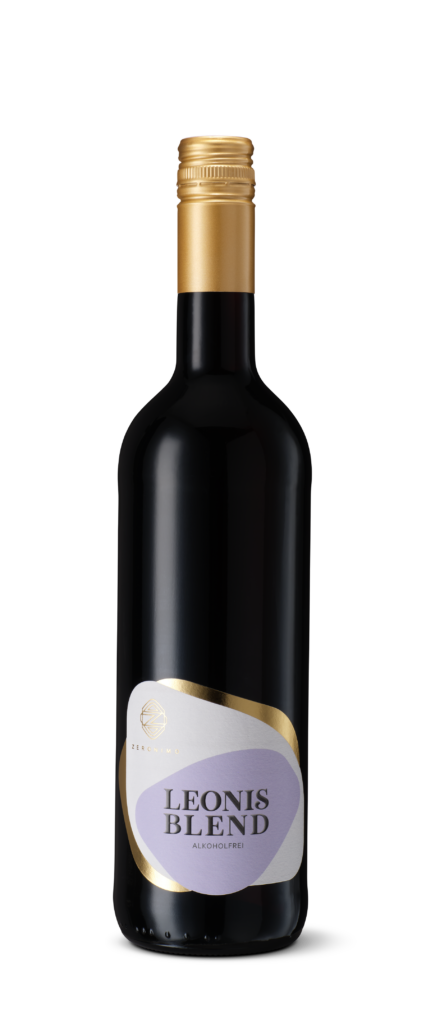
Glass Guide:
Bordeaux Glass: stronger with a fuller body, funkier, more vibrant with strong tannins
Burgundy Glass: more elegant, smoother, and more balanced
Riesling Glass: fresher, more finesse, dominated by primary fruit notes
Snack Guide:
Primary fruit focused: cherries, cowardly
Complex/mineral: bresaola/prosciutto, dried tomato, miso-almond nuts, grilled shiitake or mushrooms, cheddar/parmesan, 40% chocolate
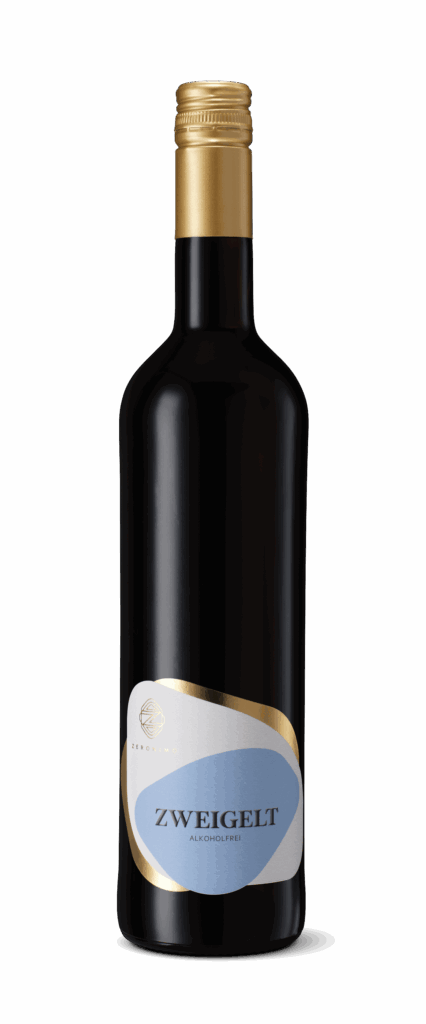
Zweigelt
Glass Guide:
Bordeaux Glass: more vibrant, with juicy fruit notes and more noticeable tannins
Burgundy Glass: more complex, more elegant, secondary notes in the foreground
Snack Guide:
Primary fruit focused: blueberry, cranberry, dried plum
Complex/mineral: salami, brown/black olives, pea, grilled and salted chickpeas, edamame
Century Blend
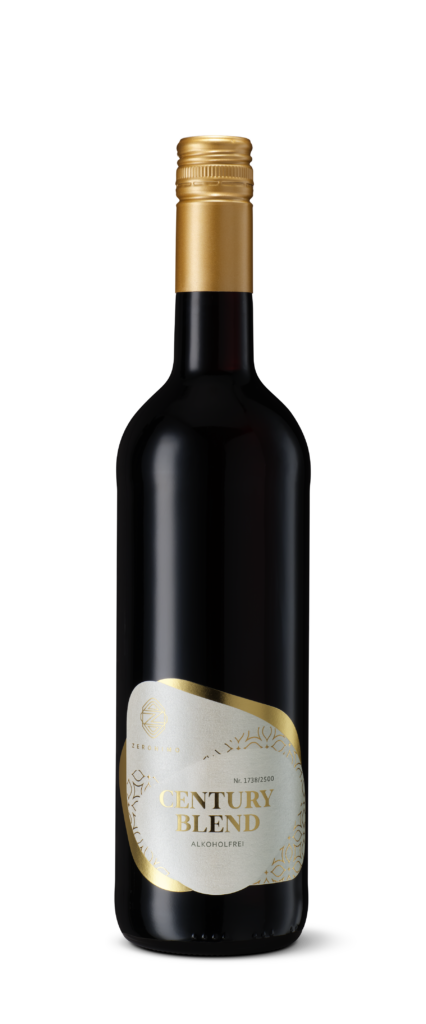
Glass Guide:
Burgundy Glass: tertiary aromas in the foreground, very harmonious, more complex, new aromas with every sip
Bordeaux Glass: more pronounced fruit notes, more tightly knit, more mineral, vibrant tannins with a livelier acidity
Snack Guide:
Primary fruit focused: dates, freeze-dried strawberries, sweet roasted almonds
Complex/mineral: lightly grilled porcini mushrooms, truffle potato chips, parmigiano reggiano (30+ months), comté, liver pâté with lingonberries
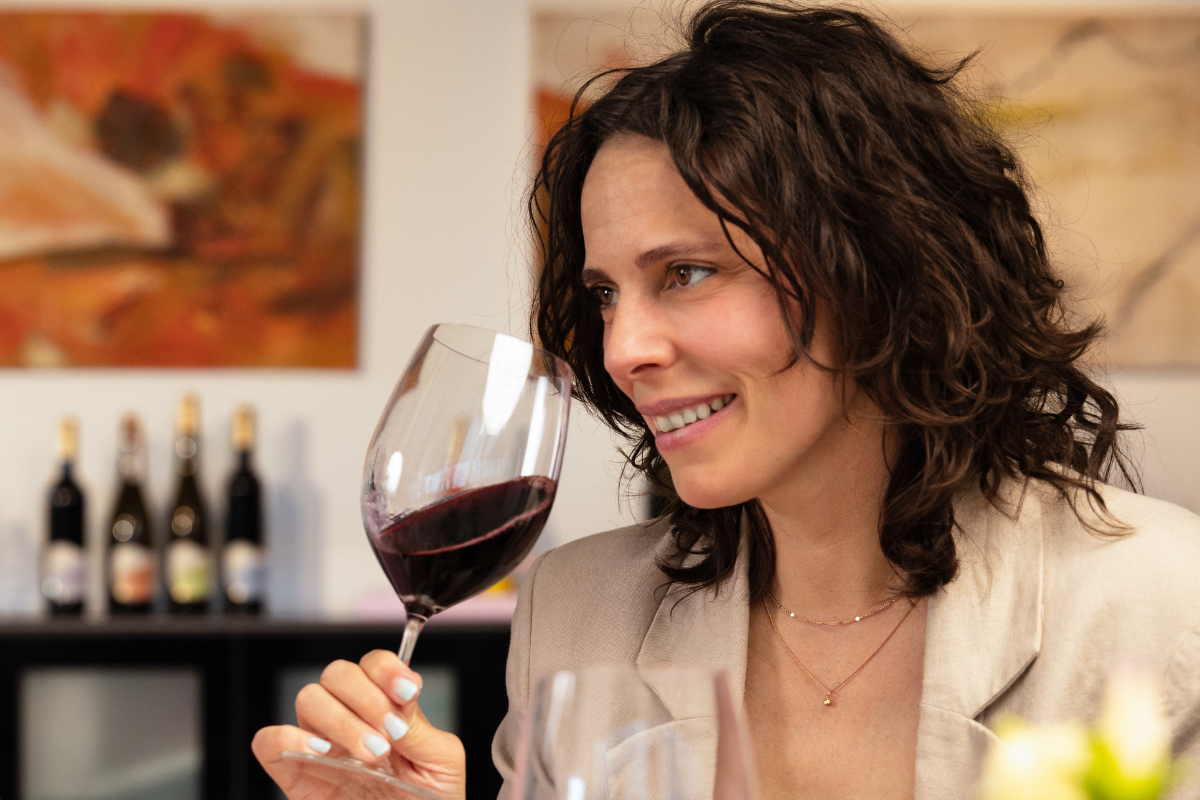
Zeronimo Wines as ideal pairing partners
Pairing snacks with non-alcoholic wine is all about discovering new flavours and creating the perfect balance. Without alcohol, the wine’s body, mouthfeel and acidity can be quite different from traditional wines. This makes choosing the right snack even more exciting!
Fatty elements can enhance the mouthfeel, intensify aromas and create a longer-lasting finish. Umami-rich flavours work particularly well with non-alcoholic red wines, while the absence of alcohol makes these wines a great match for spicy dishes.
It’s also important to consider acidity. Highly acidic foods can overpower dry non-alcoholic wines, which already have a naturally fresh and crisp acidity.
Even small ingredients can change your tasting experience: salty snacks bring out mineral notes, while complementary fruits highlight the wine’s primary fruit aromas.
That’s why our guide includes different pairing ideas to help you explore new flavour combinations and discover the perfect match.
Happy snacking and exploring!
If you want the pdf guides klick here: