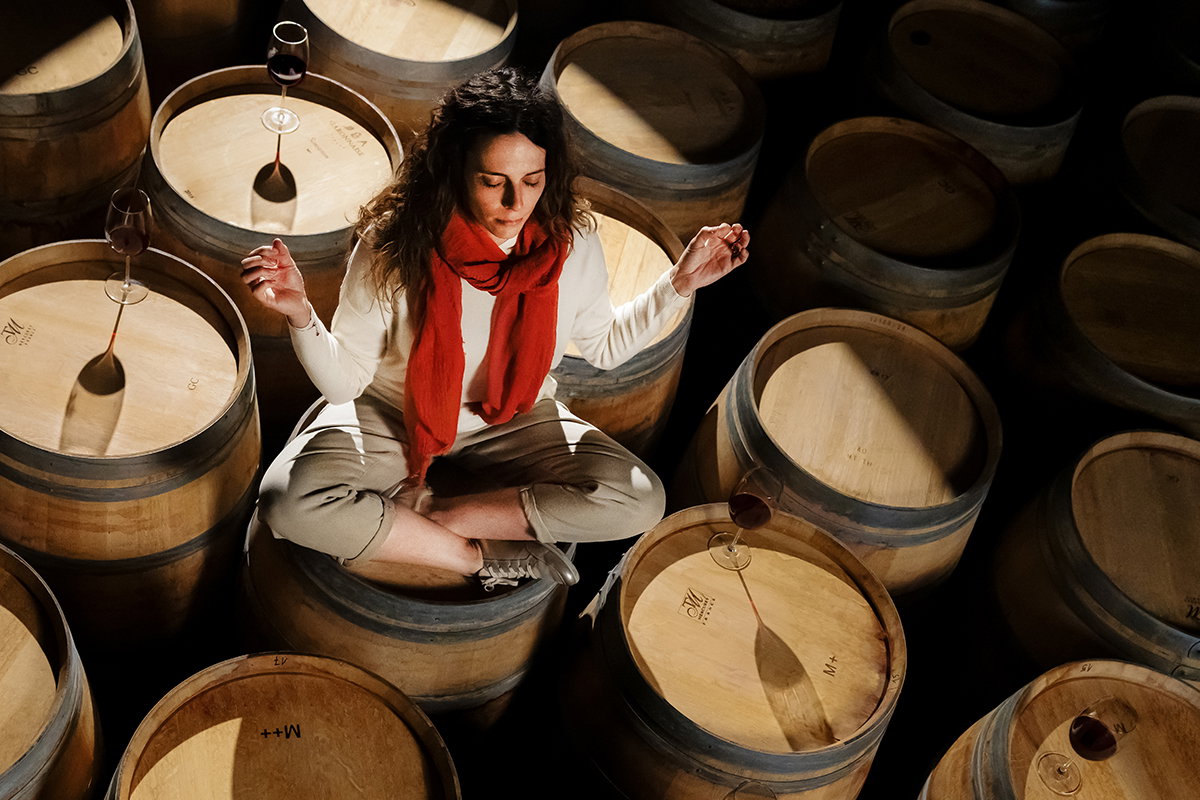
When you first read that non-alcoholic red wine contains anti-aging ingredients, you probably thought: Is this a joke? But the truth is, there’s good reason to believe that alcohol-free red wine has an even greater positive impact on our bodies than just the obvious benefits of skipping alcohol.
But can you really drink your way to health—and perhaps even youth—with non-alcoholic red wine? Let’s find out.
The miracle compound: resveratrol
Many of you might recall the unofficial motto of some doctors back in the 90s and 2000s: A daily glass of red wine is good for the heart. This claim is rooted in numerous in-vitro studies focusing on polyphenols—specifically, a subgroup called resveratrol. This is the very “miracle compound” that is currently being heavily hyped by the supplement industry, and it is naturally found right in the skins of grapes.
This antioxidant plant compound is celebrated as a guarantor of anti-aging and longevity. According to nearly 200 laboratory studies summarized in the International Journal of Molecular Sciences in 2024, it shows powerful preventive effects against some of today’s most common chronic diseases.
Among other things, these studies revealed that resveratrol can:
- Lower the risk of heart attacks
- Reduce blood pressure
- Help regulate blood sugar levels
- Slow down cellular aging
- Boost the immune system
- Deliver anti-inflammatory benefits
How resveratrol makes its way into your glass
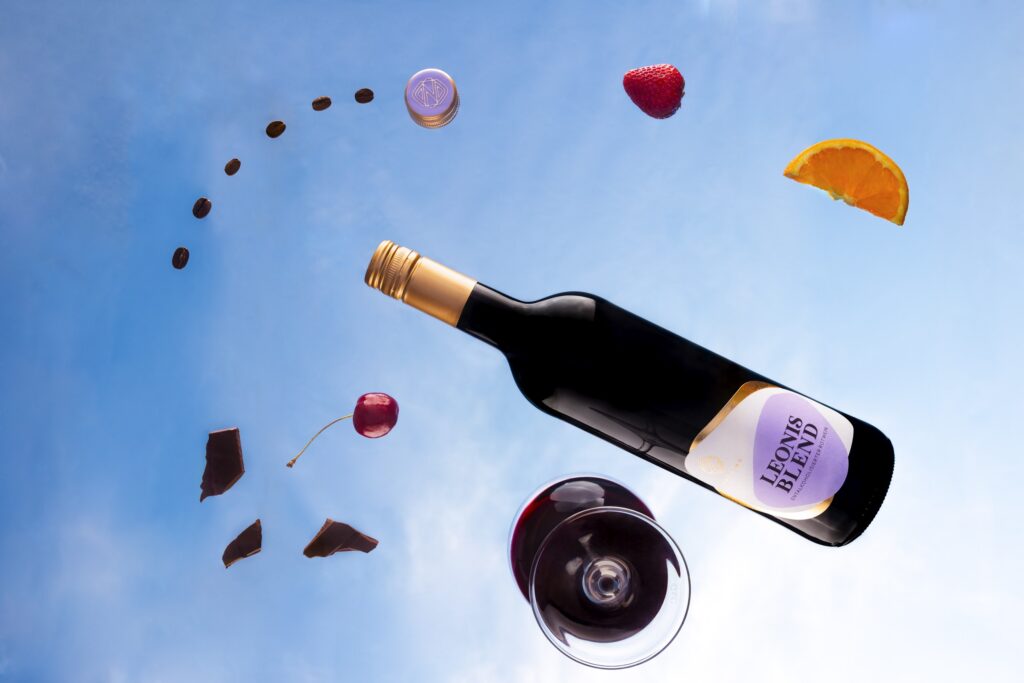
But how does this plant power actually get into the wine? Grapes produce resveratrol as a natural defense mechanism against threats like fungal infections, storing it safely in their skins. Depending on the grape variety and vineyard management, the resveratrol levels can vary.
During the winemaking process, the wine rests on the “mash”—the crushed grape skins—allowing a certain portion of this compound to transfer into the juice. The longer the skin contact, the more resveratrol ends up in the wine, reaching its maximum extraction after about 24 days. This extended skin contact is a crucial part of red wine production and the main reason why red wine contains significantly more resveratrol than white or rosé wines.
So far, so good. But what happens to resveratrol in non-alcoholic red wines? Is this miracle compound still there? And if so, does the alcohol extraction process diminish or enhance it?
On the sober trail of resveratrol
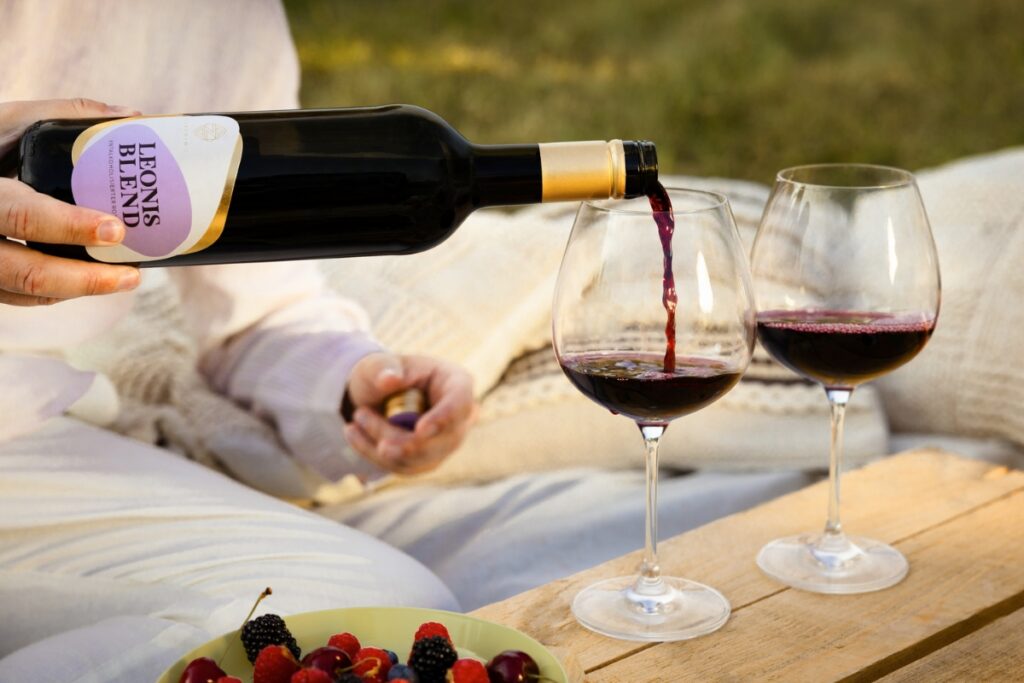
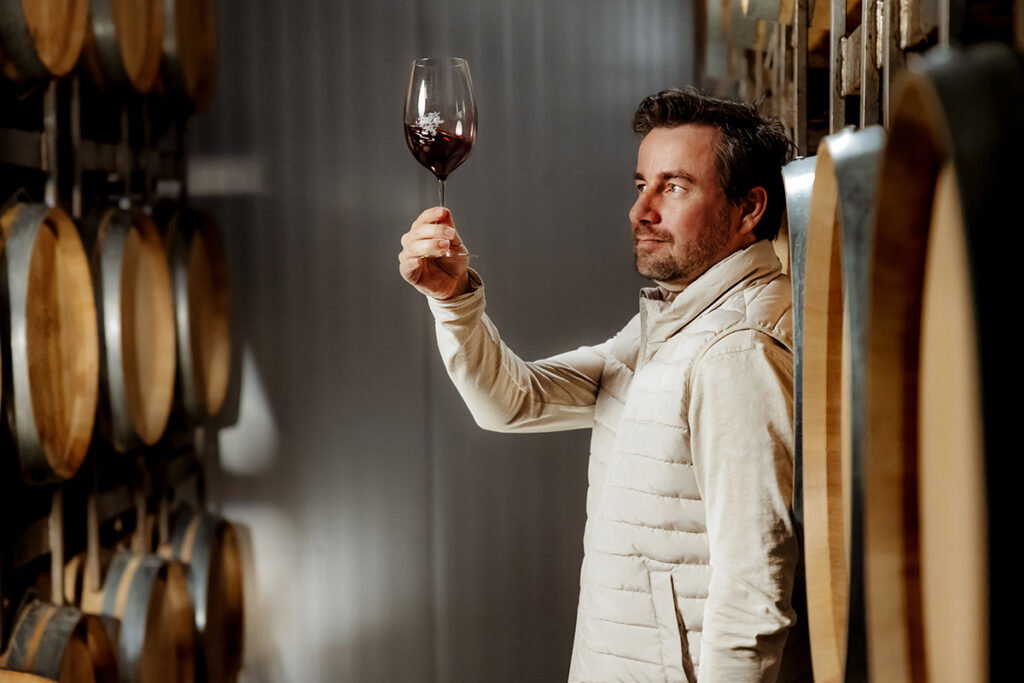
The renowned Austrian winery Heribert Bayer and ZERONIMO founder from Neckenmarkt teamed up with Dr. Braunöck from W&G to investigate this exact question. In the summer of 2023, they became the first prestigious Austrian winery to launch a premium non-alcoholic red wine: the Zeronimo Leonis Blend.
As is so often the case, the magic lies in the details. This top-tier, alcohol-free red wine was crafted from the In Signo Leonis—a red wine cuvée awarded 98 Falstaff points and one of Austria’s highest-rated blends. This unique approach provided the perfect opportunity for an unprecedented, direct comparison.
The resveratrol content in the alcoholic In Signo Leonis was compared side-by-side with its alcohol-free counterpart, the Zeronimo Leonis Blend. The results were astonishing.
A surprising discovery & the perfect wine-life balance
The resveratrol level in the non-alcoholic wine was actually 15% higher!
How is that possible? By concentrating the wine from 100% volume down to 86% (the volume remaining after extracting the 14% alcohol), the resveratrol was naturally concentrated as well. The innovative aroma recovery process applied during extraction accounted for the final touch of that increased resveratrol level.
What’s more, because the resveratrol in wine is in liquid form—rather than the solid form found in capsules or tablets—it is highly bioavailable and much easier for the body to absorb.
The key takeaways for you:
- A treat for your cells: With every sip of non-alcoholic red wine, you are treating yourself to something delicious while potentially doing your cells a massive long-term favor. Knowing this makes every glass taste twice as good!
- No aging degradation: While resveratrol typically degrades as traditional wine ages, groundbreaking research revealed that this is not the case with the Zeronimo Leonis Blend.
- Lower histamine: As an incredible side note, the histamine levels in the non-alcoholic red wine dropped by around 20% due to the alcohol extraction process. Yet another massive plus point!
The “Wine-Life Balance” is no longer a myth—it truly exists. Which leaves only one question unanswered: Mirror, mirror on the wall, where is my glass of non-alcoholic red wine after all?